Blog
From the blog
Practical Kubernetes guides, operations at scale, and notes from building KubeBolt.
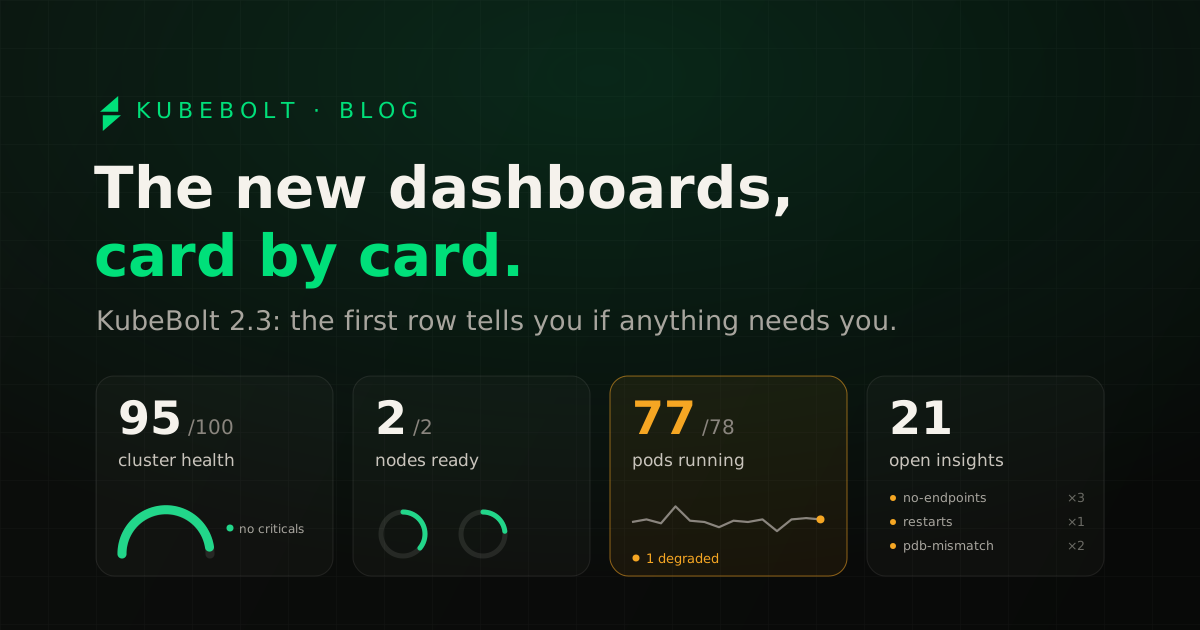
KubeBolt 2.3's new dashboards, card by card
In 2.3 we redesigned almost every KubeBolt dashboard. Each one now starts with a row of cards, each with its figure and its chart. Here's what every card on Overview, Fleet and Home tells you, when it changes color, and where to look next.
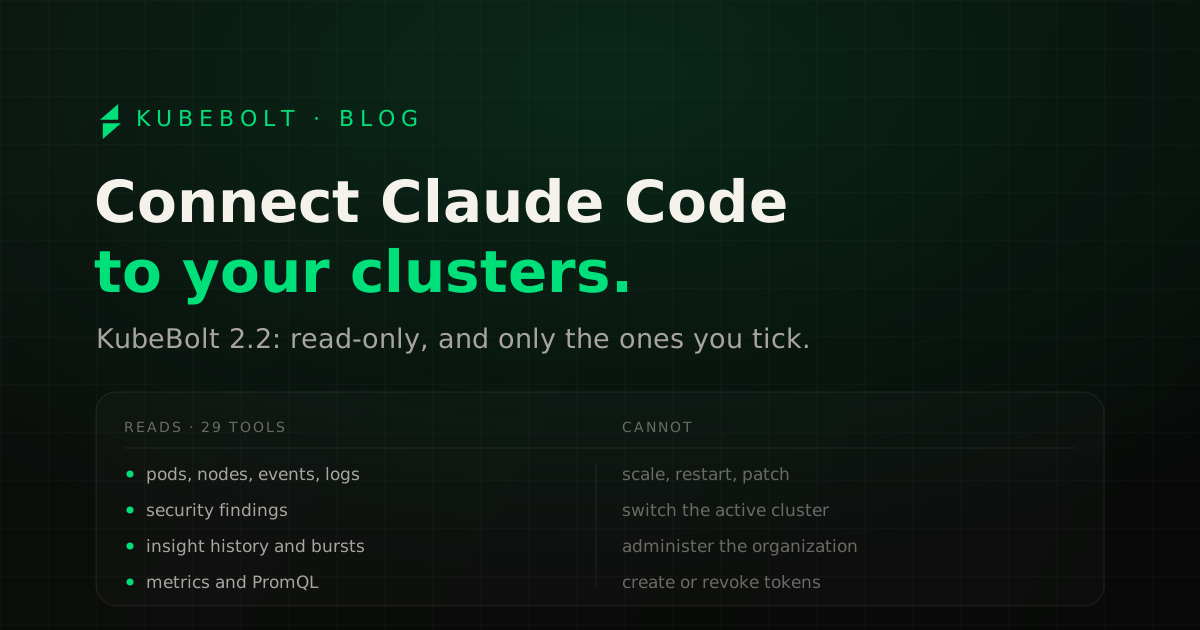
Connect Claude Code to your clusters, read-only
KubeBolt 2.2 introduces MCP-only API keys: they reach the MCP server and nothing else, with the role pinned to viewer and the cluster list you tick. Twenty-nine read tools for the agent you already have open, and thirteen of them are new.
A claim with no source isn't correct: it's unverified
Your code has tests. Your infrastructure has drift detection. The sentence on your site promising where your customer's data lives has nothing. We checked our own site against our own source and it didn't come through clean. Here is the method — and why the most dangerous finding is not the one that contradicts you.
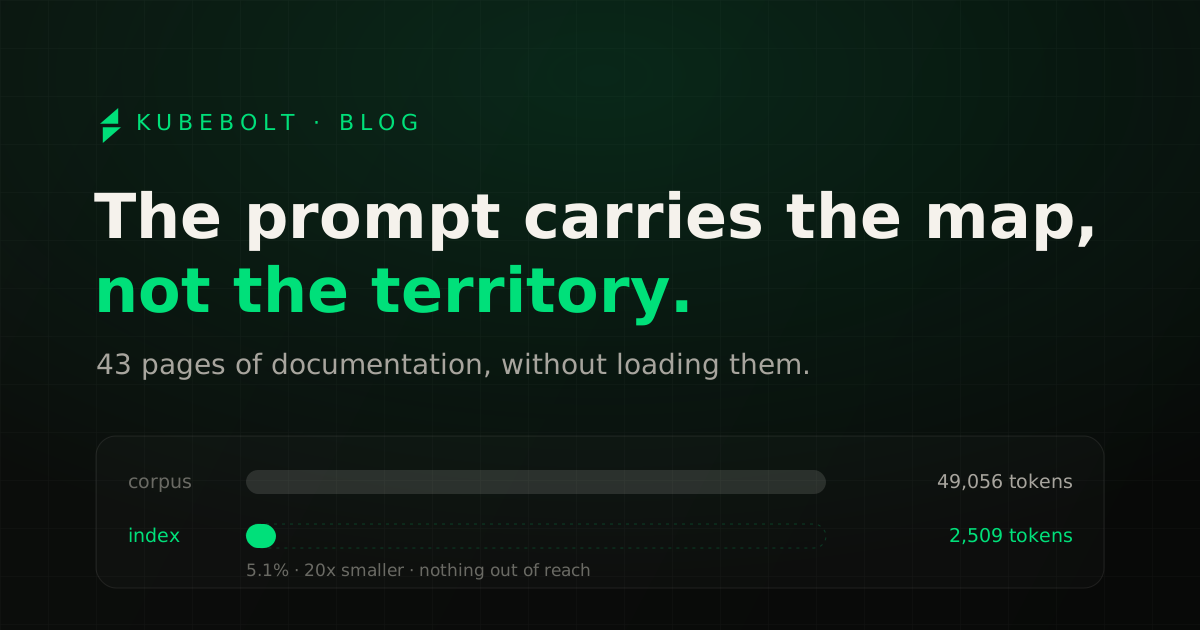
The prompt carries the map, not the territory: 49,000 tokens of docs in 2,500
When you hand documentation to an assistant, the instinct is to paste all of it. The instinct is wrong, and the reason isn't context size — it's the cache. Kobi ships an index worth 5% of the corpus and fetches a whole page only when the question needs it. Here is what it cost, latency bill included.
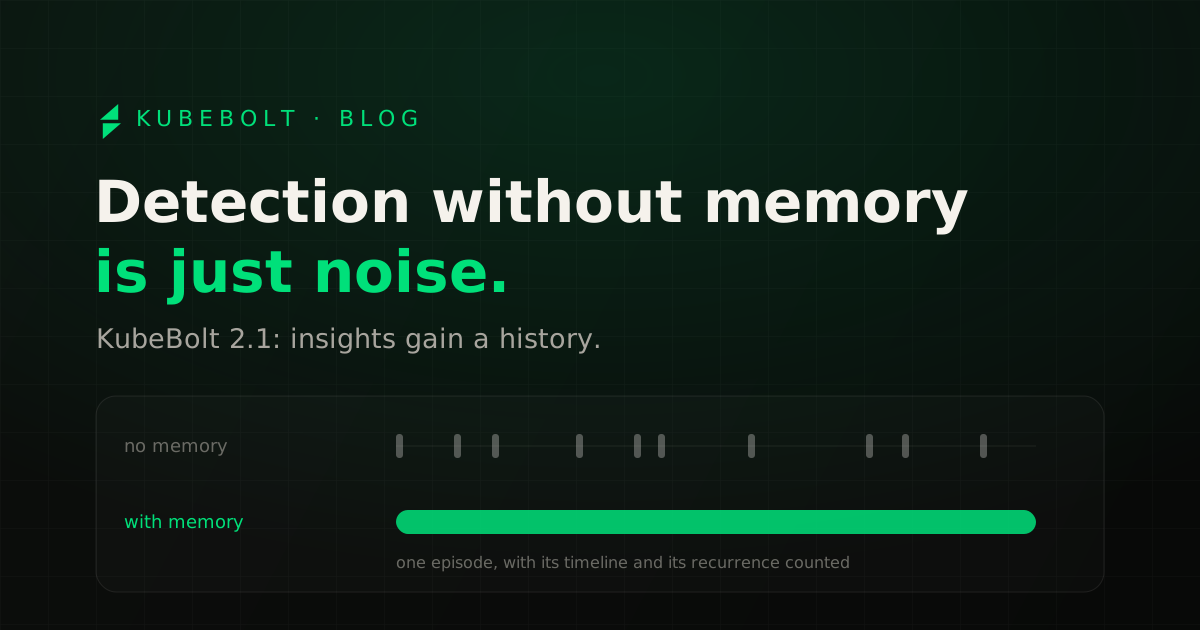
Detection without memory is just noise: KubeBolt 2.1 gives insights a history
An insight that switches on and off can't tell you whether you have an incident or a pattern. In 2.1 every detection opens a durable episode with its own timeline, its recurrence counted and its policy per environment — and the product tells you when its own voice is off.
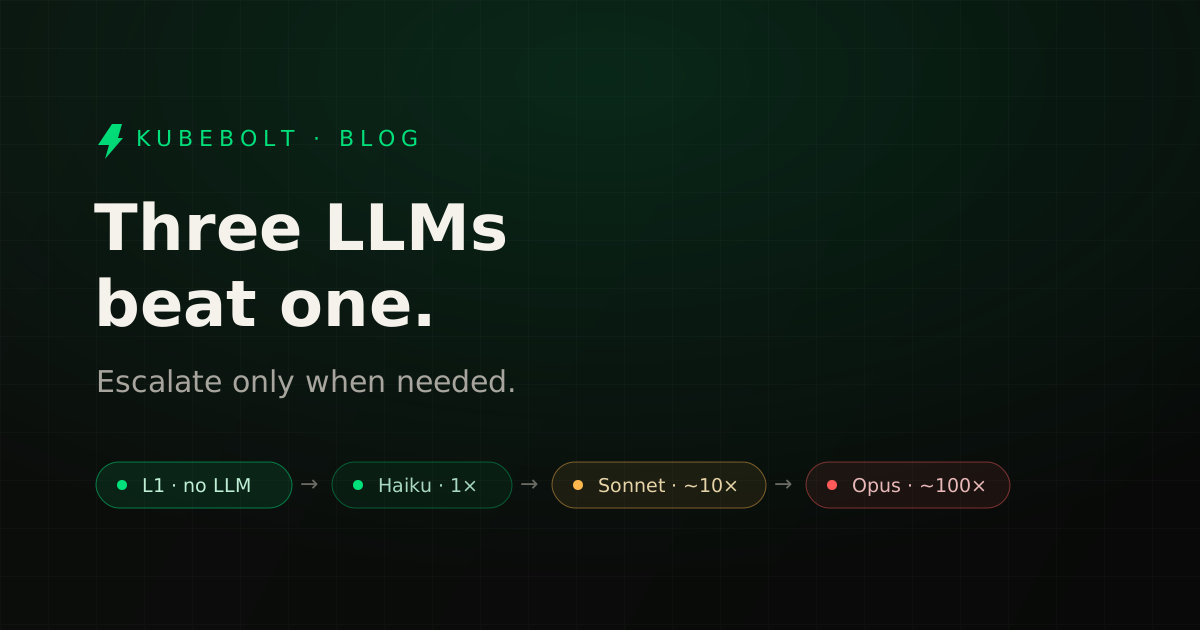
Three LLMs Are Better Than One: Cost Optimization in AI Ops
Using one big model for every incident burns money. Here's how KubeBolt routes across a deterministic layer, Haiku, Sonnet, and Opus to resolve incidents end-to-end for under $1 each.
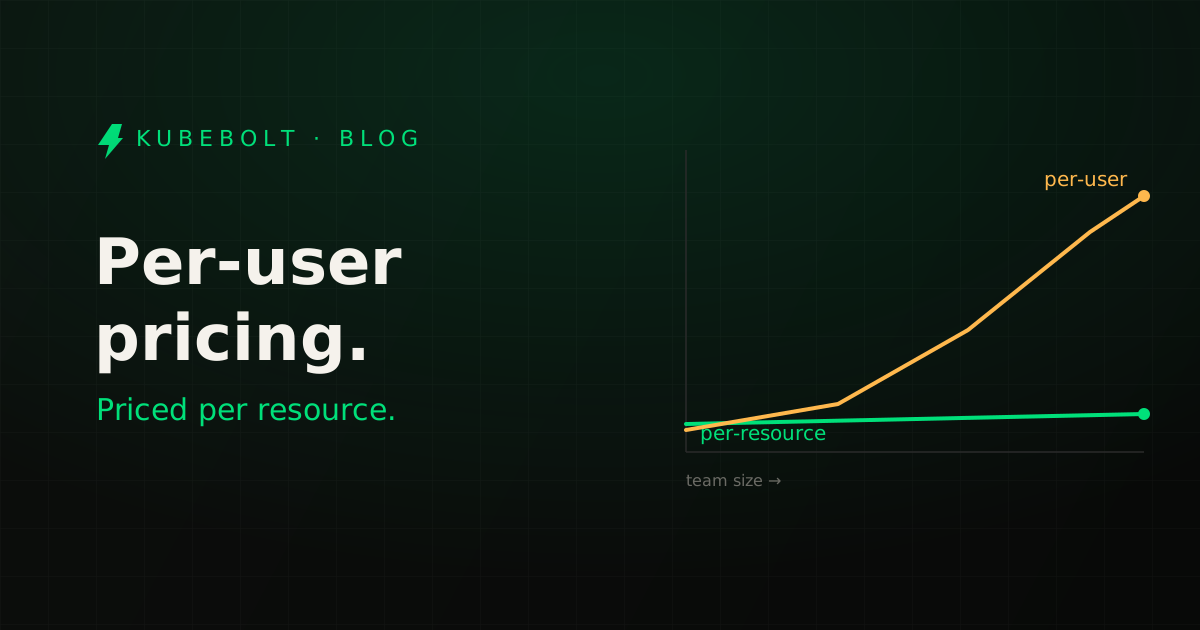
The Hidden Cost of Per-User Pricing in Observability
Most observability tools bill per active user and per host. The result: your monitoring bill scales with headcount, not with the system you actually run. Here's the math — and why per-resource pricing changes it.
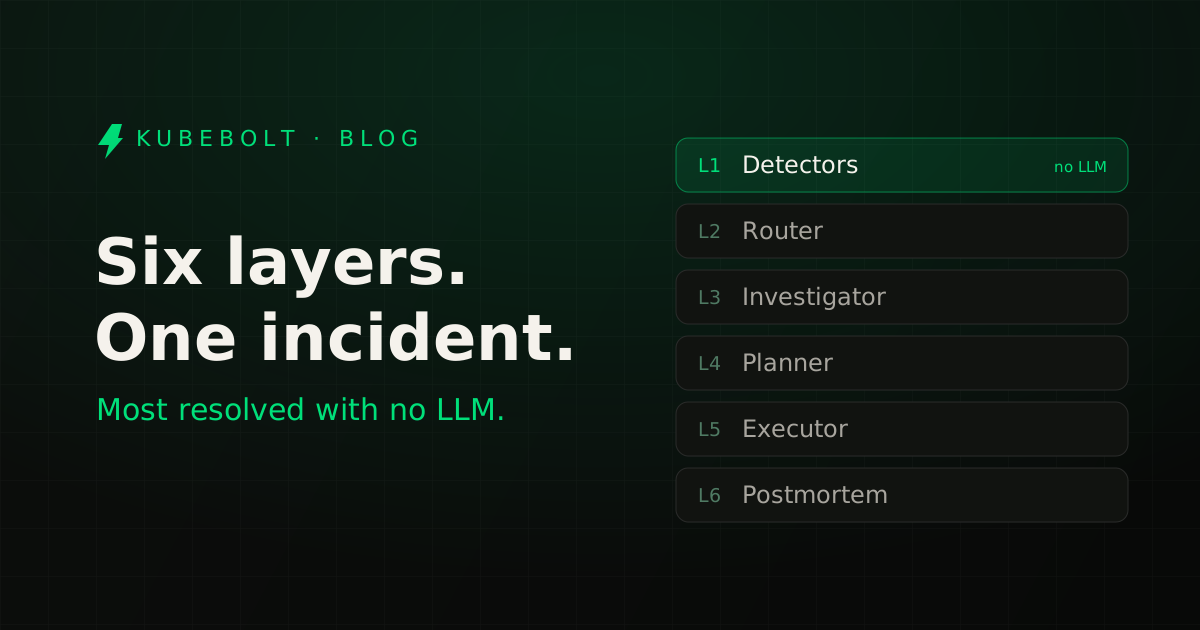
Building an Autonomous Operations Engine: the 6-Layer Architecture
Most AI Ops tools are black boxes that return magic answers. Here's how we built the opposite: a six-layer engine where a deterministic Layer 1 resolves the majority of incidents with no LLM call, and the LLM never touches your cluster directly.
Why We Built Another Kubernetes Tool in 2026
The observability market looks saturated — Datadog, Grafana, New Relic. So why build KubeBolt? Because there's a gap none of the incumbents can fill without rewriting their product.
Common Kubernetes Errors and How to Fix Them
A practical guide to the most common Kubernetes errors — CrashLoopBackOff, ImagePullBackOff, OOMKilled, Pending pods and probe failures — with the kubectl commands to diagnose and fix each.
We Built KubeBolt Open Source First
Open source isn't just a go-to-market for infrastructure tools — it's a covenant with your users. Why we shipped KubeBolt as Apache 2.0 and what we promise stays that way.
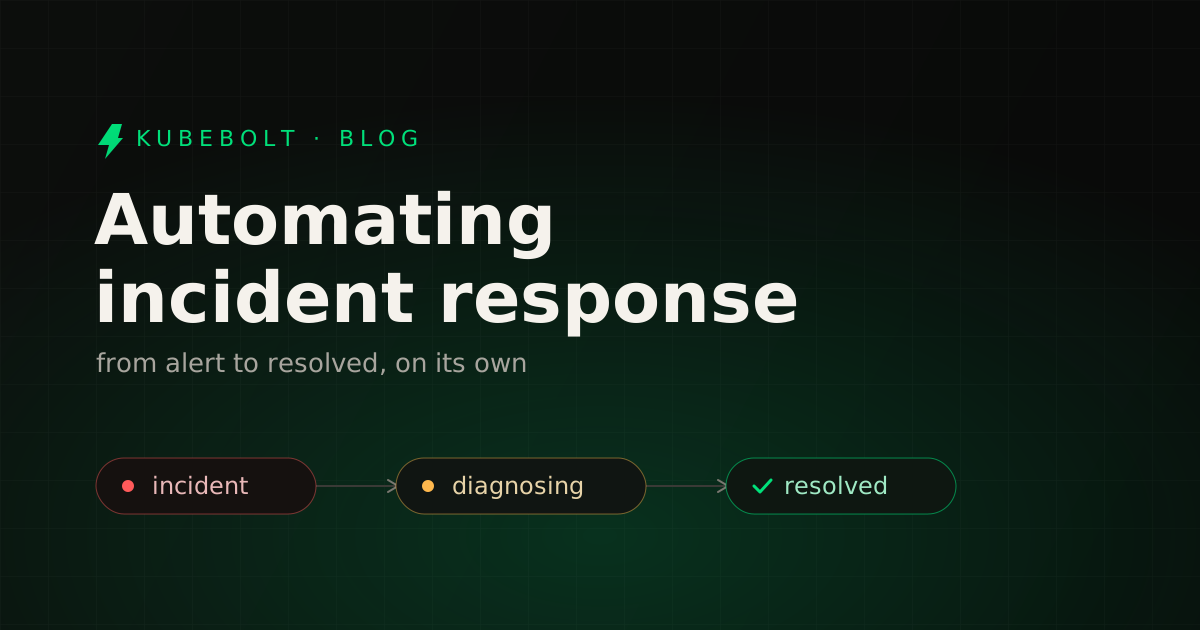
How to Automate Kubernetes Incident Resolution
Alerts tell you something broke — they don't fix it. A practical look at the levels of Kubernetes incident automation, from runbooks to autonomous remediation, and how to do it safely.